This webinar follows the tradition, since 2010, of UNECE’s Odessa seminars on trade facilitation, single window, and data sharing along digital trade corridors.
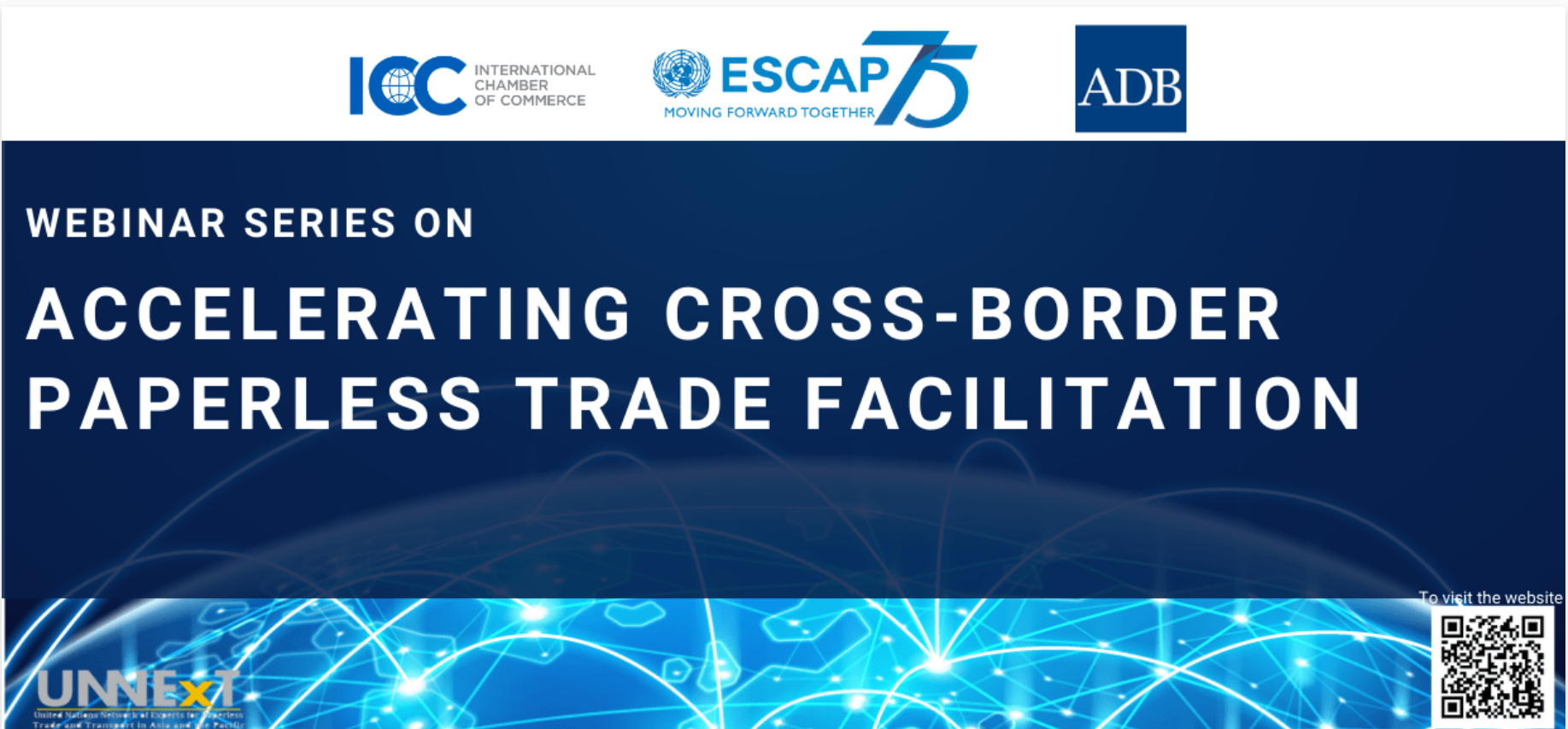
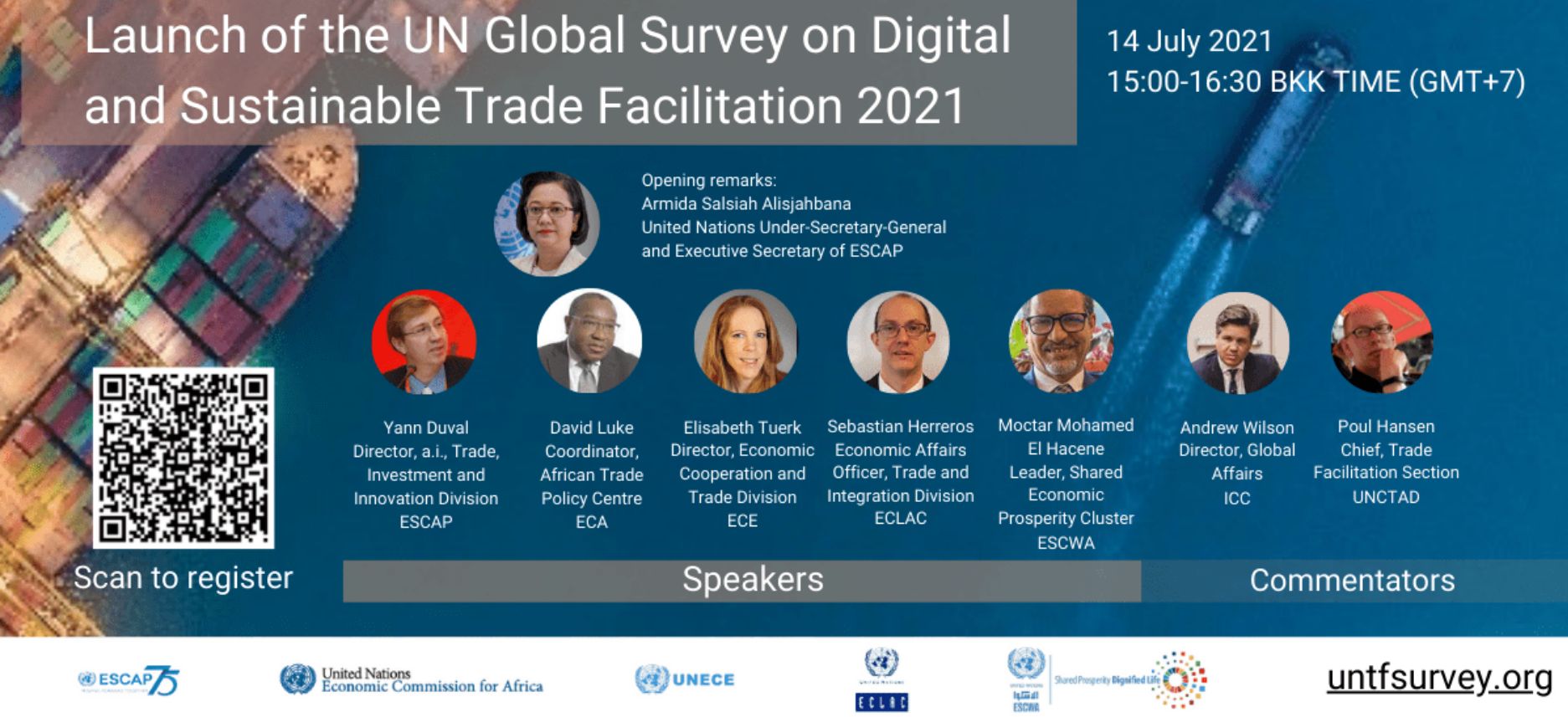
This webinar series will discuss how sustainable trade facilitation measures are crucial in supporting groups and sectors with special needs, specifically related to agriculture, SMEs and women, especially how these measures could support the recovery from the pandemic and build back better. Experts from governments, international organizations and private sectors will share good practices in implementing relevant trade facilitation measures towards a more inclusive an resilient global trading system.
To help the region moving forward in accelerating trade digitalization, ESCAP, in cooperation with the Asian Development Bank (ADB) and the International Chamber of Commerce (ICC), and with the support of the United Nations Network of Experts for Paperless Trade and Transport in Asia and the Pacific (UNNExT), organizes a webinar Series on accelerating cross-border paperless trade facilitation.
Advancing digital and sustainable trade facilitation for building back better
The United Nations Economic and Social Commission for Asia and the Pacific (ESCAP) and the ASEAN Secretariat jointly organised the ASEAN-ESCAP Joint Capacity Building Webinar on “Strengthening Railway Transport in ASEAN and Beyond” on 14 – 15 September 2021 via video conference.
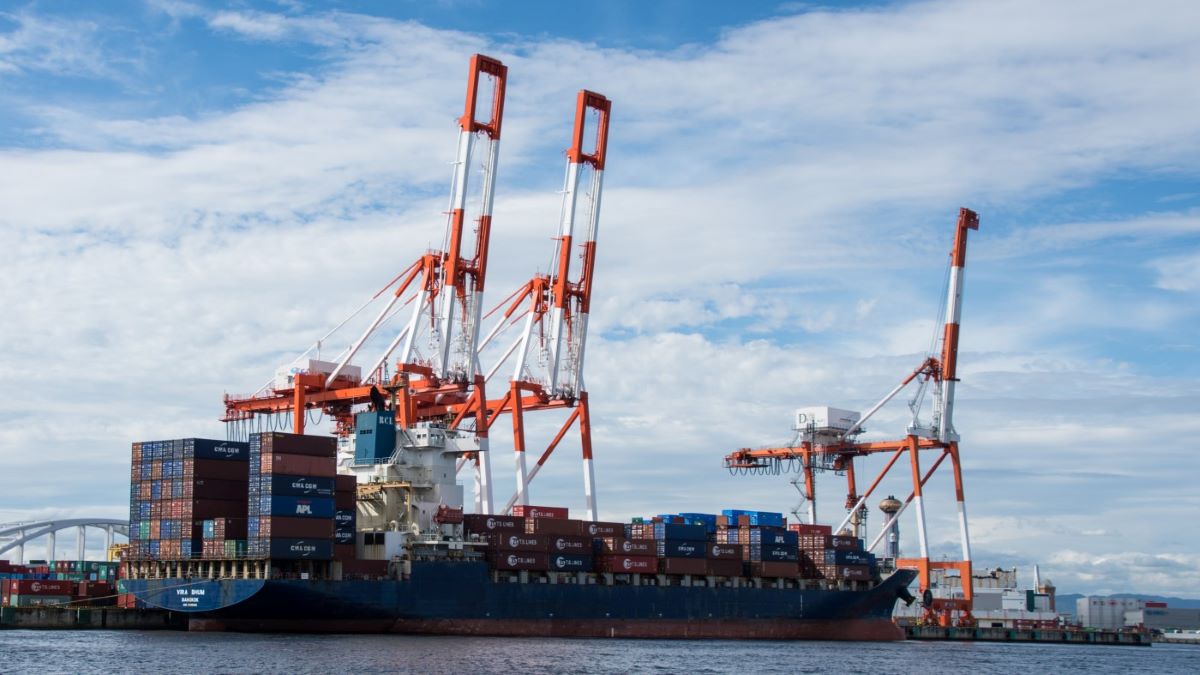
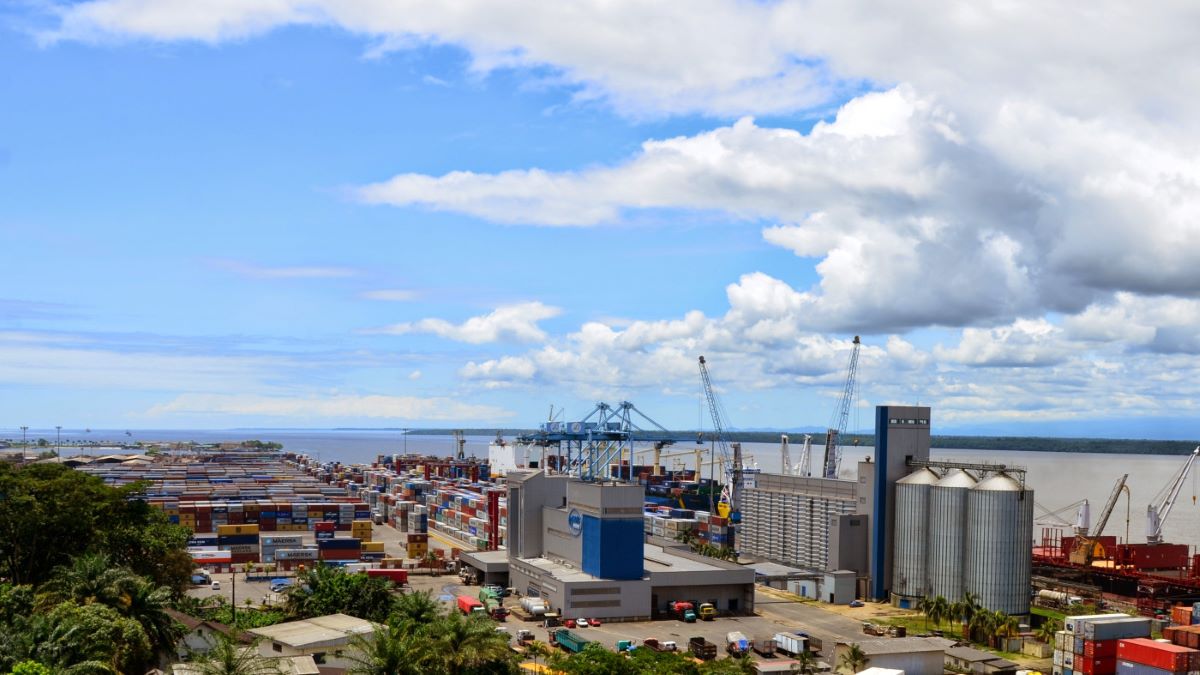
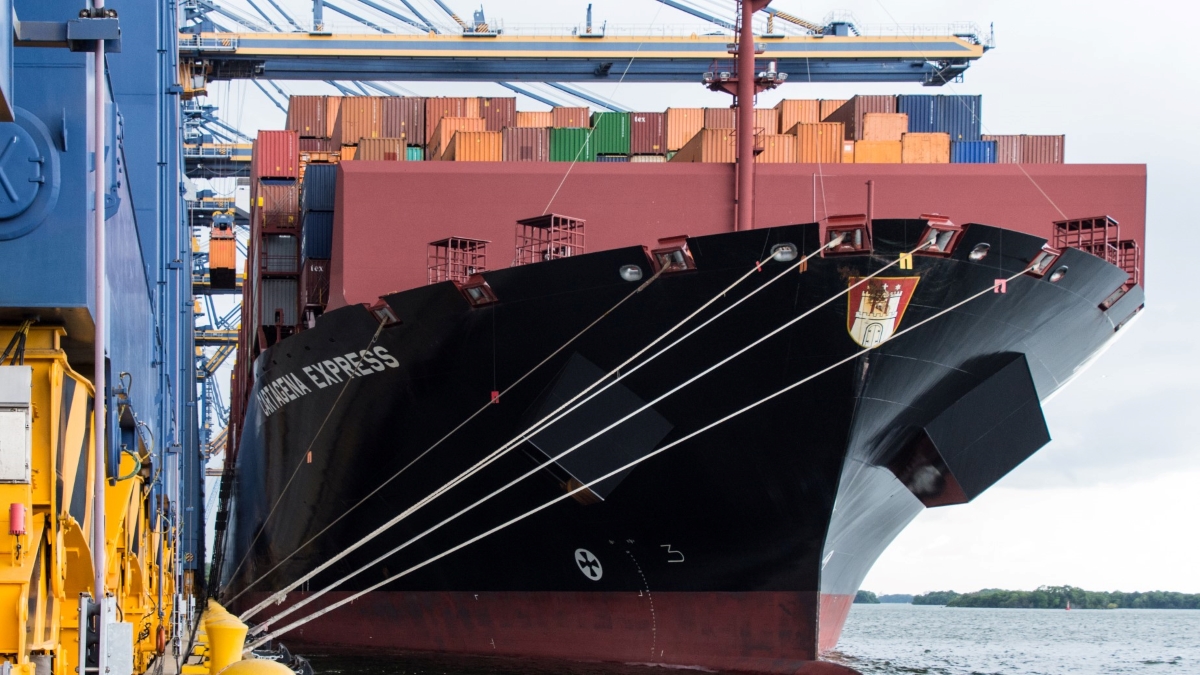
Understanding the impacts of the COVID-19 disruption on maritime transport, response measures adopted and overall implications for the sector is key given the role of maritime transport as the backbone underpinning global supply chains, trade, and economic interdependency. Any disruption to global maritime transportation networks can have far-reaching implications for a highly globalized world economy.
Understanding the impacts of the COVID-19 disruption on maritime transport, response measures adopted and overall implications for the sector is key given the role of maritime transport as the backbone underpinning global supply chains, trade, and economic interdependency. Any disruption to global maritime transportation networks can have far-reaching implications for a highly globalized world economy. The restrictions introduced in response to the pandemic have caused disruptions affecting ports, shipping, and supply chains.
United Nations Economic Commission for Europe (UNECE) organized a technical cooperation seminar for the SPECA countries: "Trade Facilitation in Times of COVID-19” with the Partnership on Transport and Logistics in Central Asia, working with the Organization for Security and Co-operation in Europe (OSCE), the OSCE Border Management Staff College and the Deutsche Gesellschaft für Internationale Zusammenarbeit (GIZ).
The Deutsche Gesellschaft für Internationale Zusammenarbeit (GIZ) and the United Nations Economic Commission for Europe (UNECE) are organizing a regional meeting to support regional cooperation among the National Trade Facilitation Committees in Central Asia, held online on 3-4 November 2020.