Guide or training materials

25 April 2022

Russian version: РУКОВОДСТВО ПО ПРИМЕНЕНИЮ СТ.1.3 СОГЛАШЕНИЯ ВТО ОБ УПРОЩЕНИИ ПРОЦЕДУР ТОРГОВЛИ:
«ИНФОРМАЦИОННЫЕ ЦЕНТРЫ»

The World Trade Organization (WTO) Trade Facilitation Agreement (TFA) entered into force on 22 February 2017. The United Nations Centre for Trade Facilitation and Electronic Business (UN/CEFACT) defines trade facilitation as “the simplification, harmonization and standardization of the procedures and associated information flows required to move goods and provide related services from seller to buyer such as payments”1. Trade facilitation can help simplify, standardize, harmonize, and modernize international cross-border trade, thereby increasing trade volumes and making international trade faster and cheaper, as well as more accessible for small and medium-sized enterprises (SMEs) and landlocked developing countries. Trade and trade facilitation have the potential to contribute to resilient, inclusive and sustainable recovery after the pandemic.

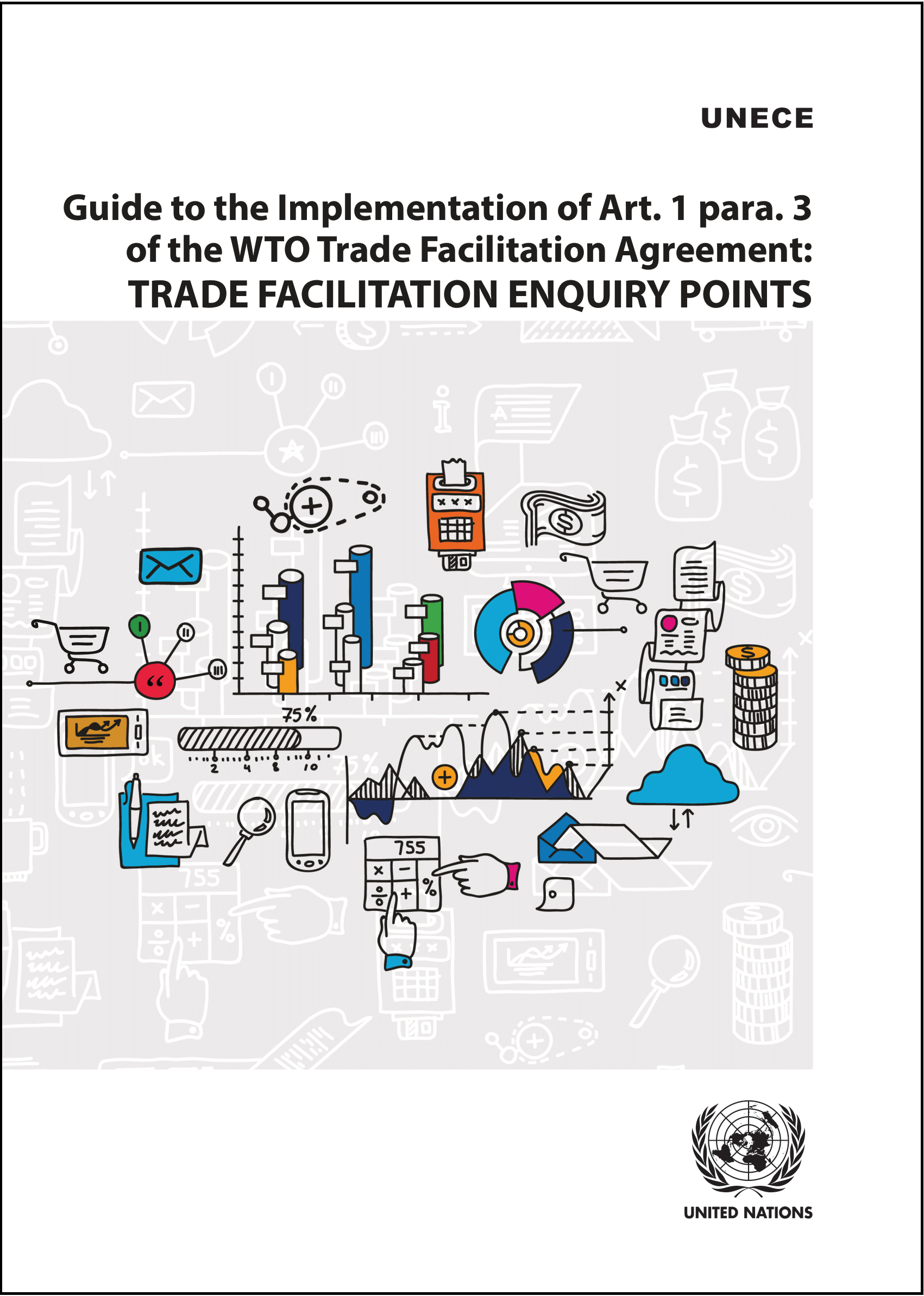
According to Art.1 of the TFA, WTO members shall promptly publish information related to international trade to enable WTO members (and all interested parties, accordingly) to acquaint each other with their trade rules and ensure transparent and predictable conditions of international trade. WTO members are also encouraged to make available further trade-related information on the Internet and to establish or maintain enquiry points. In compliance with TFA Art. 1.3 these enquiry points should provide the necessary information.

While discussing access of the private sector to information at regional meetings, the National Trade Facilitation Committees of the SPECA participating countries proposed to develop a guide on how to establish trade facilitation enquiry points. The Working Group on Trade of the United Nations Special Programme for the Economies of Central Asia (SPECA) proposed to develop this Guide on how to establish and maintain enquiry points in the framework of the SPECA Trade Facilitation Strategy with the objective to provide practical assistance to countries.

25 July 2022
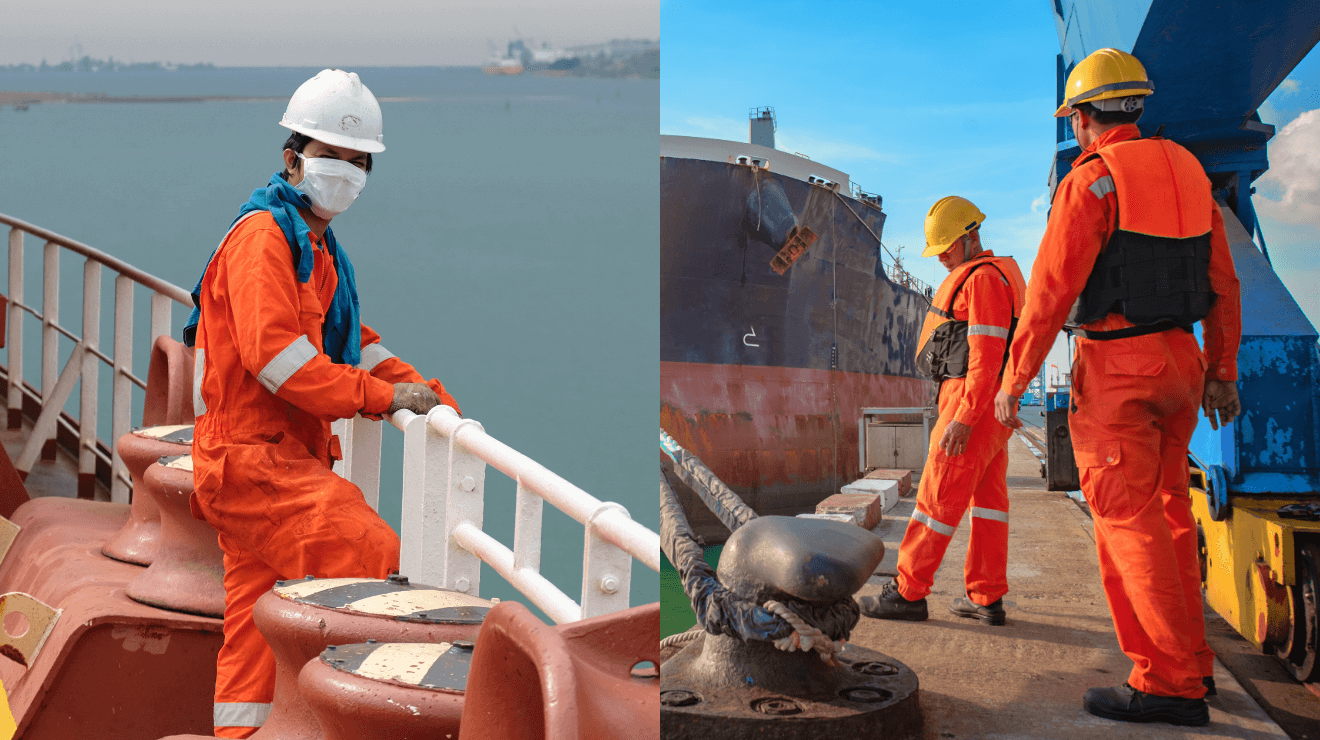
UNCTAD Course on "Ports and Maritime Supply Chain Resilience" contains six modules. The training material is supported by the accompanying multimedia lectures and suggested additional reading. It draws heavily on UNCTAD’s Guidebook on “Enhancing Capacity to Managing Risks: A Guidebook for Ports”, the Review of Maritime Transport, various issues, as well as relevant analytical reports and statistics in the field of transport and trade logistics.


UNCTAD's course on Ports and Maritime Supply Chain Resilience aims to help improve understanding of the key issues at the interface of maritime transport and resilience-building. With disruptions to transport and logistics occurring more frequently, it is crucial to build the capacity to anticipate, prepare, respond, and recover from risks and events disrupting the maritime supply chain.

The training will allow participants to:

  • Gain a general overview of the maritime supply chain and improve awareness of its strategic role in trade and development.
  • Understand the risks and disruptions facing the maritime supply chain, and their potential implications.
  • Become familiar with risk management and resilience concepts and learn what actions are required to better prepare and anticipate disruptions, manage risks, respond to disruptive events, and recover.
  • Develop the capacity to plan for emergency responses and to integrate risk management into relevant processes and plans.
  • Learn from others and their experiences and get acquainted with existing tools and instruments that can help manage risks and build resilience.


11 August 2022

The guidebook presents a step-by-step approach to resilience building in the maritime supply chain. It sets out risk identification, assessment and management tools and techniques, and describes a resilience-building process for ports.

The guidebook emphasizes lessons learned and good practices and highlights relevant measures that can be implemented to prepare, respond and recover from disruptions.

Three types of mitigation and response measures are identified in the guidebook:

16 September 2022

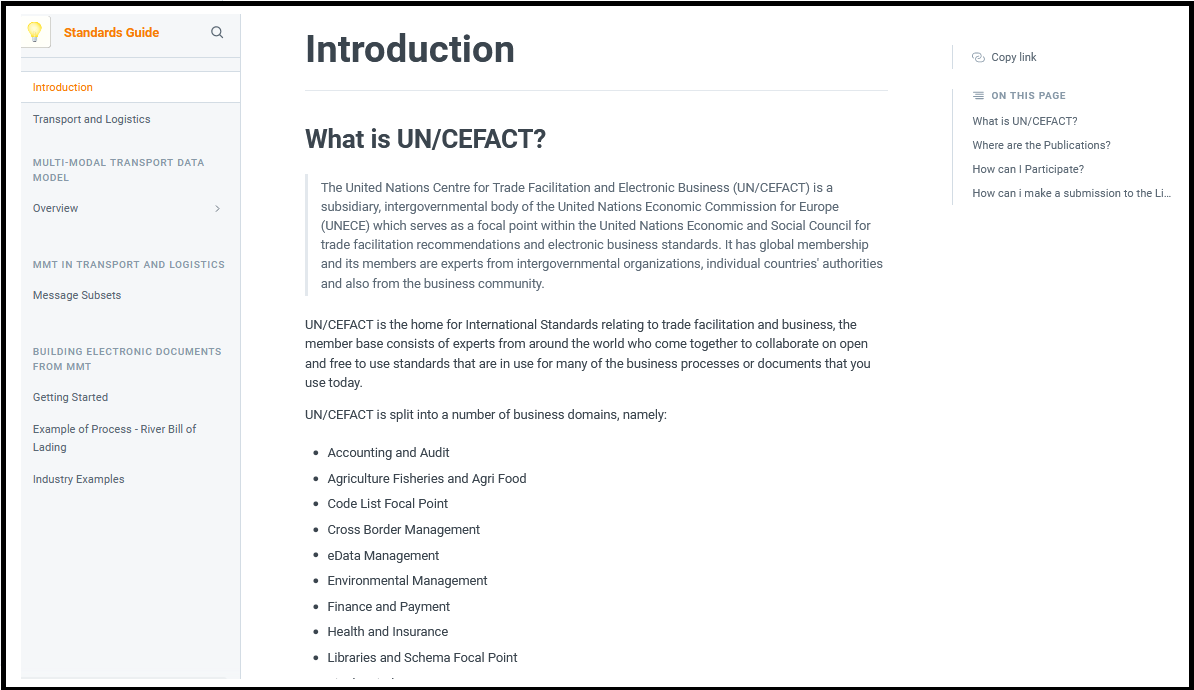
The UNTTC Training course on UN/CEFACT Standards was developed as part of the United Nations response to the challenges of the COVID-19 pandemic under the United Nations multiagency project “Transport and Trade Connectivity in the Age of Pandemics: UN solutions for contactless, seamless and collaborative transport and trade”.

This Training course consists of the following elements:

The Guide on UN/CEFACT Standards

Attachment

18 August 2021

The “Training Manual on Logistics Information System” was developed as part of the activities of the UNDA project “Transport and trade connectivity in the age of pandemics: Contactless, seamless and collaborative UN solutions”. 

Included in the Training Manual are definitions of logistics, logistics information and a logistics information system, a description of logistics information system, a stepwise approach on how to develop a logistics information system and a list of required standards to develop and implement such a system. The Training Manual is intended to support ESCAP member States in their efforts to develop logistics information systems using standards to improve work productivity and efficiency in a sustainable way. 

27 April 2022

Acknowledging the importance of multimodality in enhancing the seamlessness of supply chain and logistics network for ESCAP member countries, including landlocked developing countries (LLDCs), the “Training Manual on Operational Aspects of Multimodal Transport” was developed as part of ESCAP Transport Division initiatives to improve technical knowledge of the transport and logistics sector and to support human resource development and capacity-building of ESCAP member countries. 

The latest edition of the manual was finalized with the support of the UNDA project “Transport and trade connectivity in the age of pandemics: Contactless, seamless and collaborative UN solutions”.


The Manual can also be used as a self-study guide. It is also designed to assist instructors to deliver training modules in a structural and effective manner, allowing for comprehensive transmission of technical knowledge. 
 

17 March 2021

The Association of South-East Asian Nations (ASEAN) Member States will have new tools to help them address issues related to road freight transport caused by the COVID-19 pandemic as part of the initiatives under the ASEAN Comprehensive Recovery Framework. ASEAN has approved guidelines to support the response and recovery of road freight transport among its Member States in the context of the pandemic. 

Developed with the assistance of the International Transport Forum (ITF) and the United Nations Economic and Social Commission for Asia and the Pacific (ESCAP), the COVID-19 Recovery Guidelines for Resilient and Sustainable International Road Freight Transport Connectivity in ASEAN were approved ad-referendum by the ASEAN Senior Transport Officials Meeting (STOM) on 11 January 2021.

The guidelines will support Member States to develop national and regional plans that focus on resilient and sustainable road freight connectivity.

09 February 2021

Пандемия коронавирусного заболевания COVID-19 существенно нарушила цепи поставок и дестабилизировала глобальные торговые потоки, а также оказала воздействие на предоставление государственных услуг. В качестве мер экстренного реагирования на чрезвычайные ситуации, правительствами стран были введены упрощенные процедуры как для импорта товаров первой необходимости и предметов медицинского назначения, так и для предоставления государственных услуг, при одновременном сохранении ограничений на контакты между людьми и принятии изменений в процедурах назначения сотрудников. Административные органы по всему миру также ввели временные меры по цифровизации информационного обмена, либо же в целях обеспечения возможности принятия отсканированных или сфотографированных копий документов, проведения проверок соответствия информации электронным образом, а также для снижения частоты проведения физических инспекций грузов и транспортных средств.

Ознакомиться с английской версией Руководства можно здесь.

Для выхода из фазы чрезвычайной ситуации политики и сообщество деловых кругов стремятся как к преобразованию временных мер, направленных на упрощение процедур, в долгосрочные реформы, так и к переходу направленных на цифровизацию усилий на качественно новый уровень.  Задачи по ограничению контактов между людьми с целью предотвращения распространения вируса могут быть объединены с поиском путей повышения эффективности международных торговых операций и проведения мер официального контроля посредством цифровизации информационных потоков в международной торговле.

09 February 2021

The COVID-19 pandemic significantly disrupted supply chains and global trade flows and affected delivery of public services. As part of the emergency response, governments worldwide adopted measures to fast-track imports of essential goods and medical supplies, and to provide public services while maintaining contact restrictions and changes in staff assignments. They also adopted provisional measures to digitalize information exchange or just receive scanned or photographed copies of documents, to verify content through electronic means and to reduce the frequency of physical inspections of goods and means of transport.

Russian version of the Guide can be consulted here.

Getting out of the emergency phase, policy-makers and the business community seek to turn provisional simplification arrangements into long-term change and scale up their digitalization efforts. Limiting person-to-person contacts to avoid spreading the virus can be combined with searching for improved efficiency of international trade transactions and establishing official controls through the digitalization of trade information flows. The pandemic has precipitated a worldwide digital surge that has the power to transform cross-border trade and transport operations for the future.

27 January 2021

The Convention on the Contract for the International Carriage of Goods by Road (CMR) was developed in 1956. This convention standardizes contractual and carrier liability conditions of transporting goods by road in vehicles for reward if the origin and destination are in two different countries, and at least one of the countries is a contracting party. It has been acceded to by 55 states around the world, thus making the use of the CMR obligatory in these countries. In 1976, the International Road Union introduced a United Nations Layout Key aligned CMR Note template in cooperation with the International Chamber of Commerce. This road consignment note template was updated in 2007 and is now used by most, if not all, parties to contracts of carriage in CMR contracting countries.

The Convention on the Contract for the International Carriage of Goods by Road (CMR) was developed in 1956. This convention standardizes contractual and carrier liability conditions of transporting goods by road in vehicles for reward if the origin and destination are in two different countries, and at least one of the countries is a contracting party. It has been acceded to by 55 states around the world, thus making the use of the CMR obligatory in these countries.

Attachment